


Home Exercise Equipment
Add a review FollowOverview
-
Founded Date March 27, 1914
-
Sectors Sales
-
Posted Jobs 0
-
Viewed 38
Company Description
14 Companies Doing An Excellent Job At Exercise Bikes
The Comprehensive Guide to Exercise Bikes: Features, Benefits, and Choosing the Right One
Intro
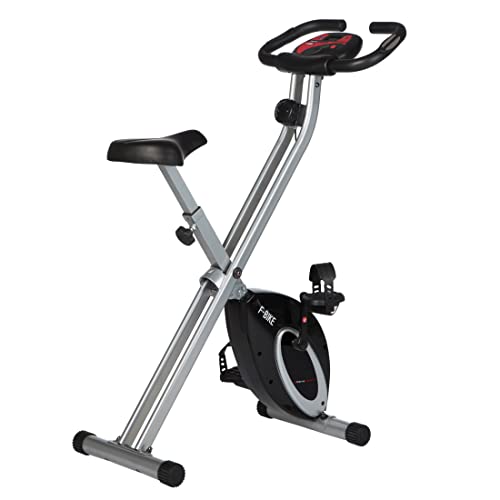
In the realm of fitness equipment, stationary bicycle hold a popular position due to their flexibility, effectiveness, and ease of access. With more individuals choosing at-home exercises, comprehending the different kinds of exercise bikes and their features is more essential than ever. This short article will check out the benefits of exercise bikes, the different types readily available, essential functions to think about, and pointers for picking the right bike for specific requirements.
The Rising Popularity of Exercise Bikes
As the focus on individual health and fitness continues to grow, exercise bikes have actually surged in appeal. Elements adding to this pattern include the convenience of home exercises, the growing variety of virtual classes, and the adaptability of various stationary bicycle designs. Whether for rehab, weight reduction, or training, exercise At home bikes supply an efficient exercise alternative for users across fitness levels.
Kinds Of Exercise Bikes
Before diving deeper into the functions and advantages, it’s necessary to understand the primary types of stationary bicycle available on the market:
| Type of Exercise Bike | Description |
|---|---|
| Upright Bike | Simulates conventional cycling; requires more core engagement and supplies an extreme cardio workout. |
| Recumbent Bike | Features a reclined seat; decreases pressure on the back and joints, suitable for users with mobility issues. |
| Spin Bike | Created for high-intensity training; has a heavier flywheel for a more challenging ride. |
| Dual-Action Bike | Incorporates arm movement; targets upper body along with lower body for a full-body workout. |
Benefits of Using Exercise Bikes
- Enhanced Cardiovascular Health: Regular biking raises the heart rate, increasing cardiovascular endurance.
- Weight Management: Exercise bikes enable calorie-burning exercises, contributing to weight reduction or upkeep.
- Low Impact Exercise: Riding is gentle on the joints, making it an ideal option for people with lower-body injuries or arthritis.
- Benefit: With a stationary bicycle in your home, users can exercise anytime without requiring gym sees.
- Varied Workouts: Users can participate in various biking programs and resistance levels, making workouts varied and less boring.
Key Features to Consider
When examining exercise bikes, several features can substantially enhance the exercise experience:
1. Resistance Levels
- Magnetic Resistance: Offers smoother and quieter trips; adjustable to increase or reduce effort.
- Fan Resistance: Utilizes air to produce resistance, enhancing the workout as the user pedals faster.
2. Comfort and Adjustability
- Seat Comfort: A well-cushioned seat substantially improves the riding experience. Search for adjustable seats to suit individual preferences.
- Handlebar Height: Adjustable handlebars can assist users maintain appropriate posture, lowering the threat of injury.
3. Display Features
- Digital Monitor: Tracks essential metrics like time, distance, speed, and calories burned. Some designs use heart rate monitoring.
- Connection: Many exercise bikes connect to apps or have built-in games and classes for interactive choices.
4. Size and Portability
- Footprint: Consider the offered space in the house because exercise bikes been available in numerous sizes.
- Wheels for Mobility: Some models consist of wheels for easier transportation and storage.
Picking the Right Exercise Bike
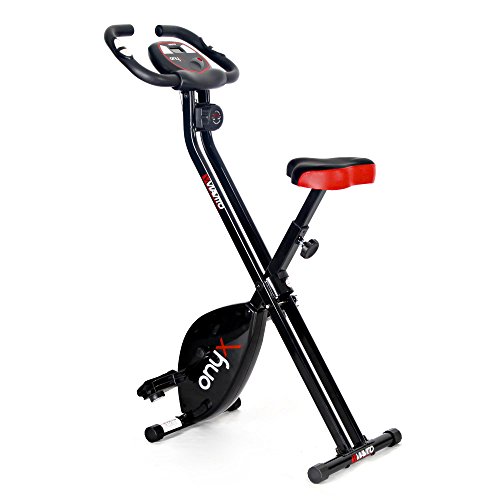
Choosing the right exercise bike includes comprehending personal fitness objectives, offered space, and spending plan. Follow these actions to make an informed decision:
-
Determine Your Fitness Goals:
- Are you looking for weight loss, endurance training, or rehab?
-
Evaluate Your Available Space:
- Measure your designated workout location to find a model that fits conveniently.
-
Set a Budget:
- Consider just how much you are ready to invest. Stationary bicycle range widely in price, so determining a budget plan can help narrow options.
-
Test Before You Buy:
- If possible, test various bikes to identify comfort and functionality.
-
Read Reviews:
- Research user experiences and skilled reviews to evaluate the pros and cons of particular models.
Often Asked Questions (FAQs)
Q1: Are exercise bikes appropriate for beginners?A1: Yes, exercise bikes are beginner-friendly, allowing users to adjust resistance and speed according to their fitness level. Q2: How often need to I use a stationary bicycle for efficient results?A2: Aim for a minimum of 150 minutes of moderate-intensity biking each week
or 75 minutes of high-intensity exercises for ideal health benefits. Q3: Can a stationary bicycle aid with weight loss?A3: Yes, routine biking can add to weight-loss by burning calories and improving metabolism, especially when combined with a healthy diet. Q4: What is the difference in between a spin bike and a conventional exercise bike?A4: Spin bikes are created for high-intensity
workouts and frequently feature a much heavier flywheel, while traditional exercise bikes are generally concentrated on comfort and ease of usage. Q5: How do I preserve my exercise bike?A5: Regularly tidy the bike, check for loose parts, and lube the moving parts to guarantee longevity and performance.
Stationary bicycle are an outstanding investment for anyone looking to boost their physical fitness from the comfort of their home. With a variety of models customized to meet diverse fitness levels and objectives, there’s a stationary bicycle ideal for everybody. By comprehending the advantages, functions, and options available, users can choose the right bike to guarantee a reliable and pleasurable workout experience. As fitness continues to evolve, exercise bikes will undoubtedly remain a staple in the journey toward much better health.