

30 Ft Container For Sale
Add a review FollowOverview
-
Founded Date August 2, 1941
-
Sectors Accounting
-
Posted Jobs 0
-
Viewed 12
Company Description
You’ll Never Guess This Container 30 Ft’s Tricks
Understanding the 30-Foot Container: Size, Specifications, and Uses
In today’s hectic world, enhanced logistics and effective storage services are critical for services and people alike. One of the most flexible tools for achieving these goals is the shipping container, particularly the 30-foot container. This short article supplies a thorough overview of 30-foot containers, covering their requirements, uses, and advantages, together with a FAQ area to attend to typical concerns.
What is a 30-Foot Container?
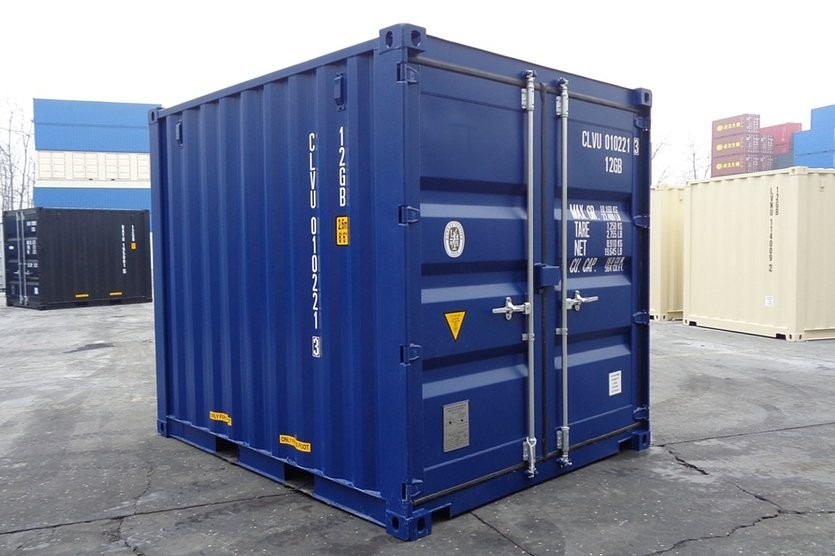
A 30 Foot Storage Containers-foot container 30 ft is typically utilized for transferring items and materials by land, sea, or air. This size strikes a balance in between space efficiency and cargo capacity, making it a popular choice amongst companies and industries. While basic containers can be found in lengths of 20 and 40 feet, the 30-foot variant offers distinct advantages for specific applications.
Specs of the 30-Foot Container
Table 1 sums up the basic specifications of a 30 Ft Shipping Container Price-foot shipping container.
| Spec | Details |
|---|---|
| Length | 30 feet (9.14 meters) |
| Width | 8 feet (2.44 meters) |
| Height | 8.5 feet (2.59 meters) (Standard) |
| Weight | Around 4,500 kg (10,000 pounds) |
| Interior Volume | Roughly 1,928 cubic feet |
| Door Opening | 7.5 feet x 7.5 feet (2.29 m x 2.29 m) |
| Material | Corten Steel (rust-resistant) |
| Storage Condition | Weatherproof and aerated |
Kinds Of 30-Foot Containers
In addition to the basic shipping container, 30-foot containers been available in different types to suit various shipping needs:
- Reefer Containers: These are refrigerated units utilized to transfer perishable goods, such as food.
- Flat Rack Containers: Designed for heavy or large cargo that can not fit in standard containers, they include collapsible sides.
- Open Top Containers: Allow for loading from above, perfect for tall cargo.
- High Cube Containers: Offer additional height compared to basic containers, offering extra storage area.
Advantages of Using a 30-Foot Container
There are several advantages to utilizing a 30-foot container for storage and transport:
-
Versatile Size: The length strikes a balance in between compactness and adequate storage capacity, dealing with different requirements, from individual relocate to equipment storage.
-
Economical: Due to their size, 30-foot containers might offer lower shipping and rental expenses compared to bigger options.
-
Transport Efficiency: They can easily fit on basic trucks and ships, guaranteeing smooth logistics.
-
Sturdiness: Constructed from weather-resistant materials, they offer outstanding security for kept material.
-
Availability: Being much shorter than 40-foot containers, they can fit in more constrained locations, making them appropriate for urban settings.
Uses of 30-Foot Containers
The applications for 30-foot containers are broad, covering numerous sectors. Here are some significant usages:
-
Storage Solutions: Ideal for services requiring momentary or irreversible storage for stock, tools, or devices.
-
Moving Houses: Great for property relocations, supplying ample space for furniture and individual products.
-
Building and construction Sites: Frequently utilized as portable offices or on-site storage for building materials.
-
Pop-Up Shops: Can be transformed into mobile retail areas for seasonal sales or exhibitions.
-
Disaster Relief: Employed by humanitarian organizations to transfer items and help effectively.
Key Considerations When Choosing a 30-Foot Container
Here are some key aspects to think about when picking a 30 Foot Storage Containers-foot container:
-
Condition: Containers can be new, used, or refurbished. It’s important to choose based on your budget and requirements.
-
Purpose: Determine whether the container will be used for storage, transport, or specialized requirements like refrigeration.
-
Place: Consider where you will be placing the container, as space restraints may affect availability.
-
Modification: Some containers can be customized for particular requirements, such as adding windows or doors.
Regularly Asked Questions (FAQs)
1. How much weight can a 30-foot container hold?
A 30-foot container typically has an optimum payload capability of around 27,000 pounds (roughly 12,200 kg), but the real capability might vary based upon the container type and condition.
2. Can I rent a 30-foot container?
Yes, lots of business offer rental services for shipping containers, including 30-foot designs. Rental choices might range from short-term to long-lasting agreements, ideal for different requirements.
3. Are 30-foot containers weatherproof?
Yes, shipping containers are built from weather-resistant products, making them appropriate for outdoor storage without the risk of damage from rain, snow, or wind.
4. What is the cost of a 30-foot container?
The cost can vary widely based upon factors such as condition (new vs. utilized), place, and adjustments. Usually, costs can vary from ₤ 2,500 to ₤ 5,000 for a used container, while new containers may cost more.
5. Can I carry a 30-foot container utilizing a basic truck?
Most basic tractor-trailers can transfer a 30-foot container, making it easier to move the container across different places.
The 30-foot container is a valuable possession within the 30ft Shipping Container and logistics industry, providing an ideal balance of size, cost-effectiveness, and adaptability. With various alternatives available– from basic storage to specialized setups– organizations and individuals alike can find significant applications for this size. Comprehending the specs, advantages, and possible usages of a 30-foot container can assist enhance supply chains and storage solutions, satisfying different requirements throughout various sectors.